
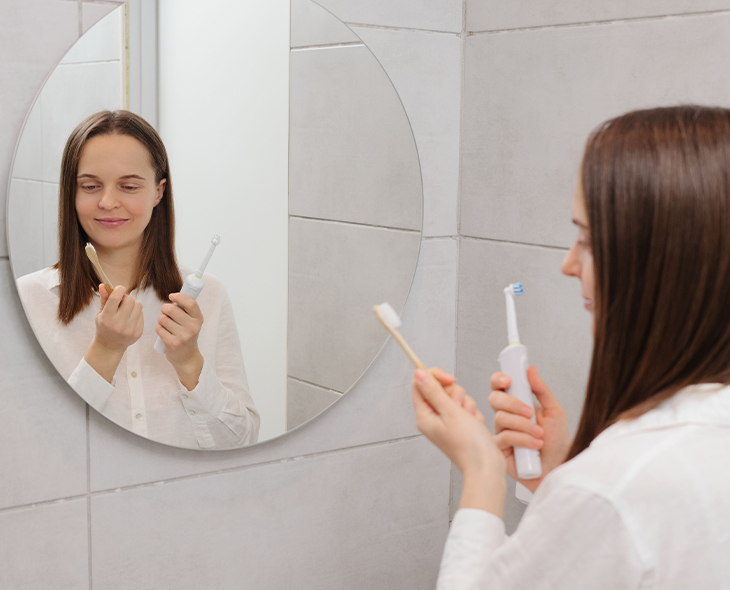
Are Electric Toothbrushes Better Than Manual Ones?
Many patients wonder whether switching to an electric toothbrush is worth it or whether a manual brush still covers the basics well enough. At East River Dental Care, we hear that question often from patients in Newmarket and nearby communities who want a routine that feels simple, effective, and easier to stick with. The answer usually comes down to how you brush, how consistently you brush, and whether your current routine is actually cleaning along the gumline and between hard-to-reach areas.
An electric toothbrush can support stronger daily habits for many patients, especially those who rush, scrub too hard, or struggle to keep a steady routine. Still, the brush is only one piece of home care. Brushing technique, time spent brushing, cleaning between teeth, and regular dental visits all shape your results. To sort out the difference, let’s look at how each option works in real life and what helps patients get more from daily brushing.
Why An Electric Toothbrush Can Improve Your Oral Hygiene
A good brush helps, but it cannot rescue a rushed routine. An electric toothbrush can make oral care more effective when it helps patients slow down, cover every area, and use gentler pressure. Research often points in that direction. A 2014 Cochrane review found powered toothbrushes reduced plaque and gingivitis more than manual brushes over time, and an ADA summary published in 2026 notes that powered brushes tend to remove more plaque for many users.
That does not mean a manual brush is ineffective. It means some patients get more reliable results when part of the brushing motion is built into the tool.
Electric Toothbrushes Can Make Brushing Easier And More Consistent
For many people, the biggest advantage is not power for the sake of power. It is consistency. Built-in movement can reduce the effort needed to clean each tooth surface, which may help patients focus on placement rather than scrubbing back and forth.
Common features can support better habits:
- timers that encourage a full brushing session
- pressure alerts that signal when brushing gets too forceful
- different cleaning modes that may help some users stay comfortable
- smaller heads on some models that are easier to guide around tight areas
Those features do not replace technique, but they can make a solid routine easier to repeat day after day.
Better Plaque Removal Often Comes Down To Technique
An electric toothbrush may remove plaque more effectively for some patients, though the result still depends on how it is used. Pushing too hard or rushing from side to side can leave plaque behind even with a powered brush.
A simple routine usually works best:
- Place the bristles at the gumline instead of pressing flat against the tooth.
- Guide the brush slowly from tooth to tooth, pausing long enough on each surface.
- Let the brush head do the cleaning motion rather than scrubbing aggressively.
- Cover the outside, inside, and chewing surfaces of every quadrant.
- Finish by brushing the tongue if your dentist recommends it as part of your routine.
Health Canada advises brushing for about two minutes at least twice a day and flossing daily as part of routine oral care, guidance that still applies no matter which brush you choose: Health Canada oral health guidance, updated 2026.
An Electric Toothbrush May Help Patients Who Struggle With Manual Brushing
Some patients do well with a manual brush for years. Others need a bit more support. Powered brushing can be useful for people who tend to finish too quickly, miss the back teeth, press too hard at the gumline, or have limited dexterity that makes fine brushing movements harder to control.
It can also suit patients who want their routine to feel more structured. A timer removes guesswork. A pressure alert can help protect sensitive gums. Patients with braces, restorations, or areas where plaque builds up repeatedly may also find that a powered brush helps them clean more carefully. That is not a diagnosis or a one-size-fits-all recommendation, of course. During a dental visit, we can look at your brushing habits and explain whether a manual or powered option makes more sense for your smile.
Good Oral Hygiene Still Requires More Than A Toothbrush
Brushing matters, though it is only one part of daily care. Strong routines usually include brushing twice a day, cleaning between teeth, replacing a worn toothbrush or brush head, and keeping regular hygiene visits on the calendar. Even the best brush cannot clean between tight contacts on its own, and it cannot tell you when plaque has started to affect your gums.
Good oral hygiene also depends on comfort. If a brush feels rough, awkward, or tiring to use, patients are less likely to use it properly. That is one reason we look at the full routine instead of judging the brush in isolation.
Electric Toothbrush Vs. Manual Toothbrush: What Is The Real Difference?
The real difference is not that one brush cleans and the other does not. A manual toothbrush can still work very well with good technique and enough brushing time. An electric toothbrush may simply make thorough brushing easier for patients who need help with motion, pressure, or consistency.
Manual Toothbrushes Can Still Work Well With Proper Use
Manual brushes remain a practical choice for many patients. They are affordable, easy to replace, and simple to carry when travelling. With a soft-bristled head and careful technique, a manual brush can clean effectively.
A manual toothbrush may be a sensible option when cost matters, when you prefer a lighter handle, when you already brush gently and thoroughly, or when you want a no-fuss brush that is easy to keep at home, work, or in a travel bag.
Electric Toothbrushes May Offer Helpful Built-In Support
Some patients prefer a brush that offers extra guidance built into the routine. That support can make a noticeable difference when brushing habits are inconsistent.
| Feature | Manual Toothbrush | Electric Toothbrush |
| Brushing motion | Controlled entirely by the user | Brush provides movement |
| Timing support | User tracks time independently | Many models include timers |
| Pressure control | Depends on user awareness | Some models include pressure alerts |
| Learning curve | Familiar for most patients | May take time to get used to |
| Cost | Usually lower upfront | Usually higher upfront |
The Best Toothbrush Is The One You Use Correctly Every Day
The best toothbrush is not always the most expensive one or the one with the longest feature list. It is the one that feels comfortable in your hand, fits your mouth well, and helps you brush properly every day. If a powered model helps you slow down and brush more carefully, that may be the better option for you. If a manual brush already works well and your technique is solid, there may be no need to switch.
How To Choose The Best Toothbrush For Your Smile
Choosing a brush should feel practical, not complicated. Comfort, control, and consistency usually matter more than extra features.
Look For A Brush That Feels Comfortable And Easy To Control
A brush should be easy to guide around the back teeth, along the gumline, and around any dental work you may have. Soft bristles are usually the safer choice for daily use. The head should not feel oversized, and the handle should feel steady enough that you are not squeezing it too tightly just to keep control.
Consider Your Current Brushing Habits
Take a realistic look at what happens in your bathroom every morning and night. Are you brushing long enough, or are you done before the full routine is over? Do you scrub hard enough that your gums feel tender afterward? Do you miss the inside surfaces of the lower front teeth? Do you replace your brush or brush head only when it looks frayed?
Those questions often tell you more than a product label will. Patients who already brush thoroughly with a manual brush may be happy sticking with it. Patients who struggle with speed, pressure, or consistency may find an electric toothbrush easier to use well.
Ask Your Dentist For Personalized Oral Hygiene Tips
A quick conversation at your next appointment can save a lot of trial and error. We can look at areas where plaque tends to collect, signs of heavy brushing pressure, gum sensitivity, or spots that are easy to miss. We can also talk about brushing around crowns, fillings, bridges, or orthodontic appliances if any of those apply to you.
That kind of guidance is often more useful than trying to decide on your own whether one brush is supposed to suit everyone.
Electric Toothbrush Tips For Better Daily Results
Buying the brush is the easy part. Daily use is where results show up.
Let The Brush Do The Work
Guide the brush slowly and keep the bristles angled toward the gumline. There is no need to scrub hard. With a powered brush, heavy pressure can get in the way of the motion that is already built into the head. A light hand usually gives better control and feels easier on the gums.
Brush For The Full Recommended Time
Dentists commonly recommend brushing for about two minutes. One simple way to manage that is to divide the mouth into four sections and spend roughly 30 seconds on each one. That approach helps patients cover the back molars, front teeth, and inner surfaces without rushing through the areas that tend to be missed.
Replace Brush Heads Regularly
Worn bristles do not clean as well, and they can feel harsher along the gumline. Check your brush head or manual brush regularly for splayed or flattened bristles, and replace it according to the manufacturer’s instructions or the guidance you receive during your dental visits.
Is An Electric Toothbrush The Right Choice For Your Oral Hygiene?
An electric toothbrush can support better oral hygiene when it helps you brush carefully, consistently, and comfortably each day. For many patients, that added structure makes daily care easier to keep up with. Manual toothbrushes still have a place, though, and they can work very well with gentle technique and enough time at the sink.
If you are trying to decide which option fits your routine, we can help you look at your habits and your oral health needs in a practical way. For personalized guidance on choosing the right toothbrush and improving your routine, visit East River Dental Care. Reach out to East River Dental Care today at (905) 895-8031, or click here to get in touch online.
We’re here to help
Call our Newmarket office and our friendly team will be glad to answer any questions or get you booked in.